Schools
Tommy G. Thompson Center and La Follette School of Public Affairs: The Federal Fiscal Crisis
By Marcus Chen
Advertisement · Why this ad?
Marcus manages the day-to-day editorial workflow across all brands, coordinating coverage assignments and ensuring editorial standards are met. He previously served as city editor at the Pioneer Press and holds a degree in Political Science from Carleton College.
More from Marcus →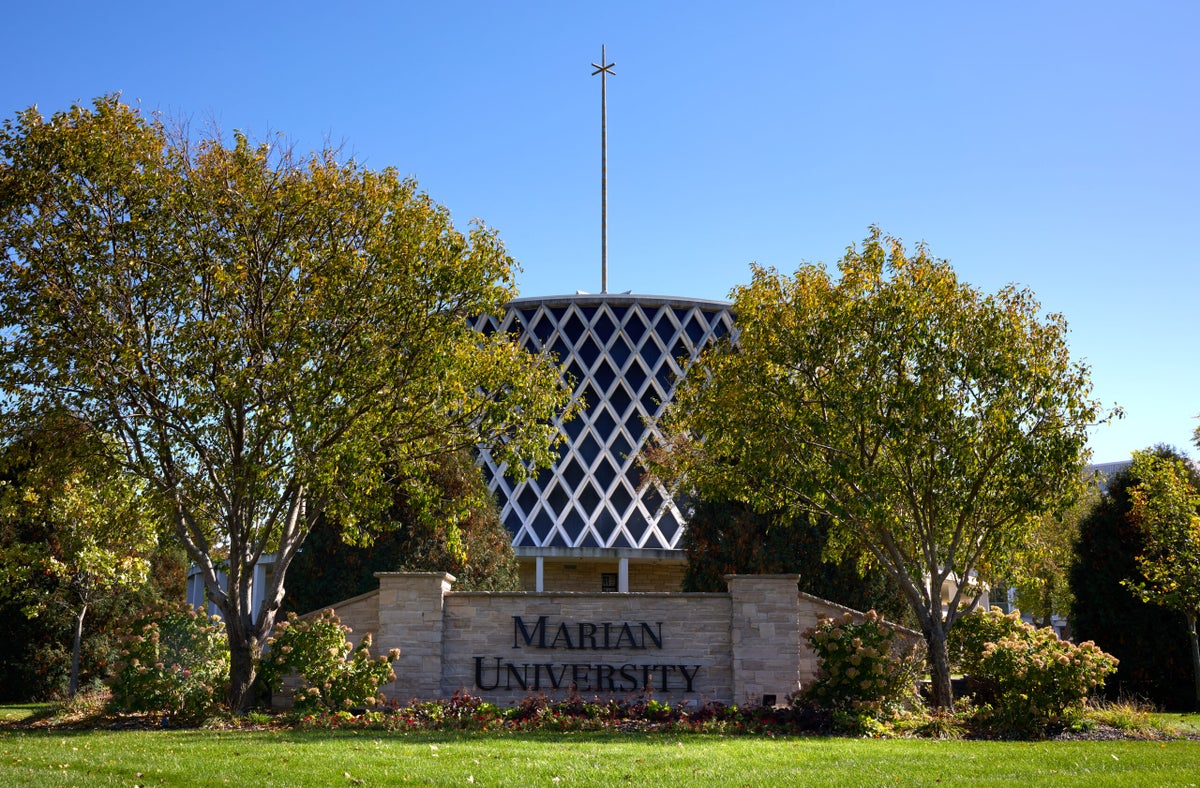
The familiar maroon and gold of Marian University in Fond du Lac will soon carry a new name, as the private Catholic college announced Monday its acquisition by Alvernia University, a Franciscan institution based in Reading, Pennsylvania. This transition, expected to take two years, marks a significant shift for the Fond du Lac institution and reflects a broader trend of higher education partnerships across Wisconsin in the face of declining enrollment. While the change promises new opportunities for students and faculty, it also raises questions about the future of a beloved local college and its commitment to the community.
Marian University’s story is deeply intertwined with the history of Fond du Lac County. Founded in 1967 by the Congregation of Sisters of St. Agnes, a Catholic order with a significant presence in the region since the mid-19th century, the university initially served as a teacher training institution for the sisters. The Sisters of St. Agnes played a crucial role in establishing and educating communities across Wisconsin, and Marian University was intended to continue that legacy of service and education. Over the decades, it evolved into a four-year institution offering a range of undergraduate and graduate programs, attracting students from across the state and beyond. The university's location in Fond du Lac, a city with a rich industrial heritage and a strong sense of community, has always been central to its identity.
Marian University, founded in 1967 by the Congregation of Sisters of St. Agnes, will be acquired by Alvernia University, a Franciscan institution based in Reading, Pennsylvania. The deal, announced Monday and still requiring approvals from the U.S. Department of Education and the Catholic Church in Rome, will see Alvernia operate both universities once finalized. Marian University will retain its colors, mascot, and branding but will be renamed Alvernia University Marian Campus. According to Alvernia President Glynis Fitzgerald, the Congregation of Sisters of St. Agnes will “gift” the university to Alvernia.
The agreement comes as universities and colleges across Wisconsin are exploring partnerships to share resources and face closures of two-year branch campuses within the state’s public university system, including a location in Fond du Lac. Alvernia currently enrolls around 3,000 students, while Marian University has approximately 1,200. Alvernia hopes to reach an enrollment of 4,000 students through the acquisition and believes Marian's financial stability made it an attractive partner. Marian University has long been a pillar of the Fond du Lac community, drawing students from across the state and beyond, contributing to the local economy, and providing cultural enrichment through its arts programs and athletic events. The university's presence has also fostered a sense of pride and identity within Fond du Lac.
Marian President Aaron Sadoff emphasized that the acquisition is about pooling resources to ensure the university’s longevity. “This is about two groups getting together,” he said, “and saying, ‘How can we pool our resources together and move forward?’” He stated that the Sisters of St. Agnes were seeking a partner with the capacity to lead Marian into the future, finding that partner in Alvernia. The partnership aims to navigate what leaders are calling the “demographic cliff,” a term referring to declining birth rates impacting higher education enrollment. This demographic shift is not unique to Wisconsin; it's a national trend forcing colleges and universities to rethink their strategies for attracting and retaining students.
The “demographic cliff” refers to the shrinking pool of college-age students due to lower birth rates in the decades following the 1990s. This decline is particularly pronounced in the Midwest, impacting institutions like Marian University that rely heavily on regional student populations. While online learning and expanded outreach can help mitigate the impact, many colleges are facing difficult choices about their future. The closures of two-year branch campuses within the University of Wisconsin System, including the Fond du Lac campus, highlight the severity of these challenges and demonstrate the pressure on institutions to find sustainable solutions.
While university leaders expressed optimism about the acquisition, its impact on the Fond du Lac community remains to be seen. The announcement follows recent challenges for higher education institutions in Wisconsin, including enrollment declines and campus closures. Residents are understandably concerned about the future of Marian University and its role in the local economy. The university employs numerous area residents – faculty, staff, and support personnel – and contributes significantly to the region’s cultural landscape. Local businesses also benefit from the influx of students and visitors associated with the university.
Alvernia officials have attempted to assuage concerns by guaranteeing no immediate layoffs for Marian employees. “Our commitment is that everyone on the Marian payroll on the last day that Marian is Marian University will be on the Alvernia University payroll the very next day,” Fitzgerald stated. She added that salaries and benefits will remain unchanged, with cost savings sought through technology and third-party services. The aim, according to Fitzgerald, is for employees to “continue to thrive here in Fond du Lac” as part of a larger institution. However, long-term job security will depend on the integration process and the overall financial health of the combined universities.
The transition period will involve regulatory reviews and approvals from both the U.S. Department of Education and the Vatican before the acquisition can be finalized. These approvals are essential to ensure compliance with legal and religious guidelines. University leaders are exploring opportunities for students to take courses online and potentially complete degrees at either the Fond du Lac or Reading campuses, broadening educational access and enriching the learning experience. This includes possibilities for internships and clinical experiences in Pennsylvania for Wisconsin students, and vice versa, which could be a significant draw for students seeking specialized training.
Beyond immediate operational changes, the long-term success of the acquisition hinges on integrating the two institutions’ cultures and values. Maintaining Marian University’s unique character while benefiting from Alvernia’s resources will be crucial. The University of Wisconsin System has faced its own enrollment challenges in recent years, and the success of this partnership could serve as a model for other institutions seeking to adapt to a changing higher education landscape. The integration process will require careful communication and collaboration between faculty, staff, and students from both universities to ensure a smooth transition and preserve the strengths of each institution.
This acquisition highlights a stark reality facing many small colleges today: the need for collaboration to survive. While the promise of shared resources and expanded opportunities is enticing, it’s vital that Alvernia University remains committed to upholding Marian’s legacy and serving the Fond du Lac community. The stability of families in our area is directly tied to the vitality of institutions like Marian; a thriving college attracts and retains young people, strengthens the local economy, and provides opportunities for personal growth and strong community bonds.
The assurances of no immediate layoffs are encouraging, but the long-term impact on faculty and staff remains to be seen. It’s critical that Alvernia prioritizes retaining experienced educators who understand the unique needs of Marian's students and the region. The success of this partnership will ultimately depend on a genuine commitment to preserving the values that have made Marian University a cherished institution for generations, ensuring a future where young people can build strong families and contribute meaningfully to our society. We must also be watchful for signs that the promised benefits materialize for students and local residents, and that the unique character of Marian University isn't lost in the integration process.
For more information on Alvernia University, visit alvernia.edu. To learn more about Marian University, visit marianuniversity.edu. Information on the Wisconsin Department of Public Instruction can be found at dpi.wi.gov.
The Fond du Lac Area Chamber of Commerce offers resources for local businesses and community development. Interested residents can also explore opportunities through the Congregation of Sisters of St. Agnes. Local residents seeking to engage in discussions about the future of higher education in Fond du Lac may find the Chamber of Commerce a valuable resource.
The acquisition of Marian University by Alvernia University underscores a complex moment for higher education in Wisconsin and beyond. While the partnership aims to address enrollment challenges and expand opportunities, its success depends on a steadfast commitment to preserving the values and serving the community that have defined Marian University for decades. It is a reminder of the importance of strong institutions in fostering thriving families and communities.
By Marcus Chen
By Marcus Chen
By Marcus Chen

By Marcus Chen