
Government
Wisconsin Supreme Court: State v. Desmond J. Wilhite
By Katherine Langford
Advertisement · Why this ad?
Katherine oversees editorial operations across all six brands. Before joining The Meridan Group, she spent 14 years at the Minneapolis Star Tribune, where she led the metro desk through its digital transformation. She holds a Master's in Journalism from Northwestern's Medill School.
More from Katherine →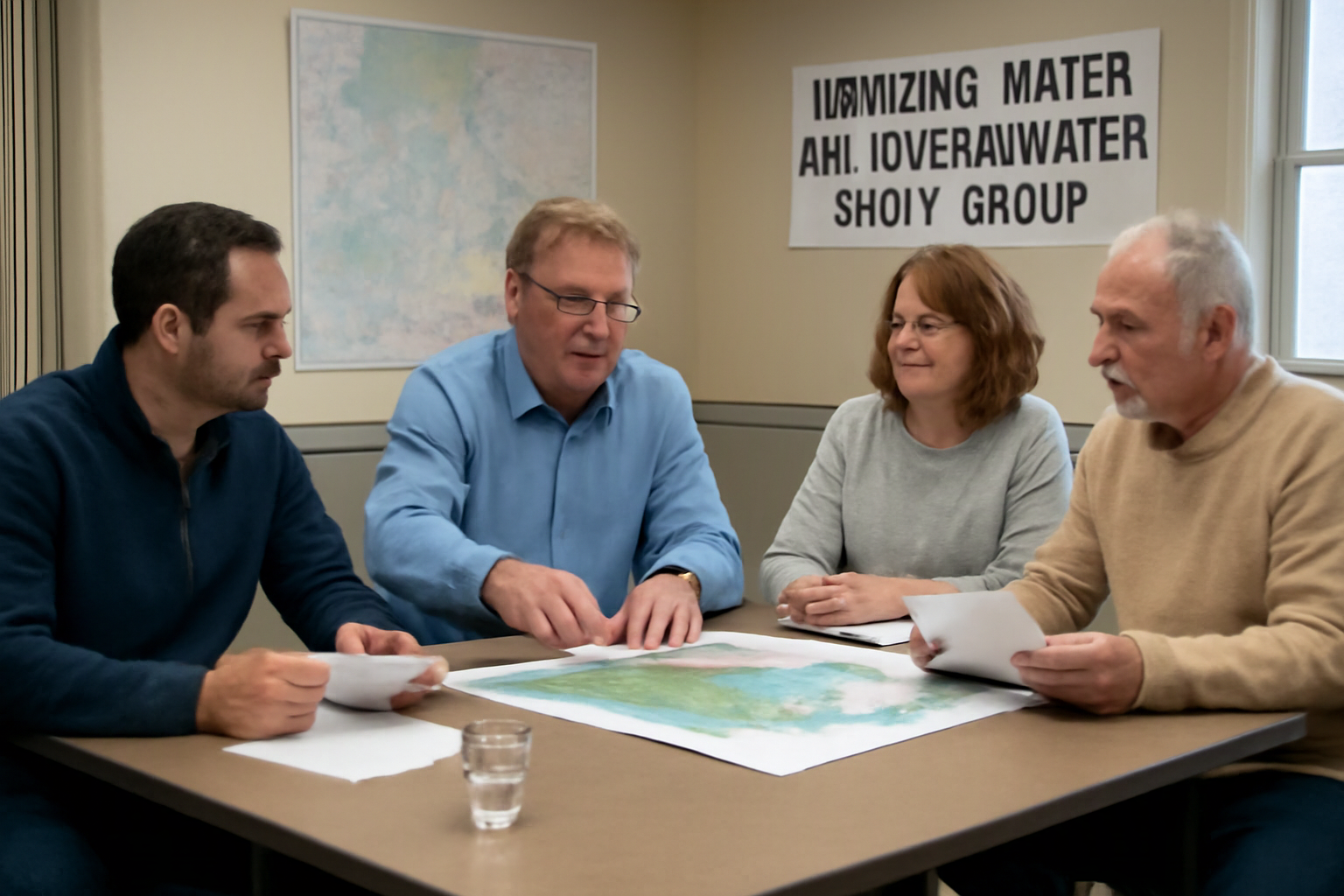
In the heart of Brookfield, a community that prides itself on the quality of life it offers its residents, a new initiative is taking shape that could have lasting implications for public health and environmental sustainability. As families gather around dinner tables, the conversation often turns to the water they drink, the very essence of life. This concern has prompted the formation of the Drinking Water and Groundwater Study Group, a collaborative effort aimed at addressing the critical issues surrounding water quality and access in our region.
The Drinking Water and Groundwater Study Group was established in response to increasing concerns about the safety and sustainability of drinking water sources across Wisconsin. With Brookfield's population steadily growing, the pressure on local water resources has intensified. The group aims to provide comprehensive research and recommendations to ensure that all residents have access to clean, safe drinking water.
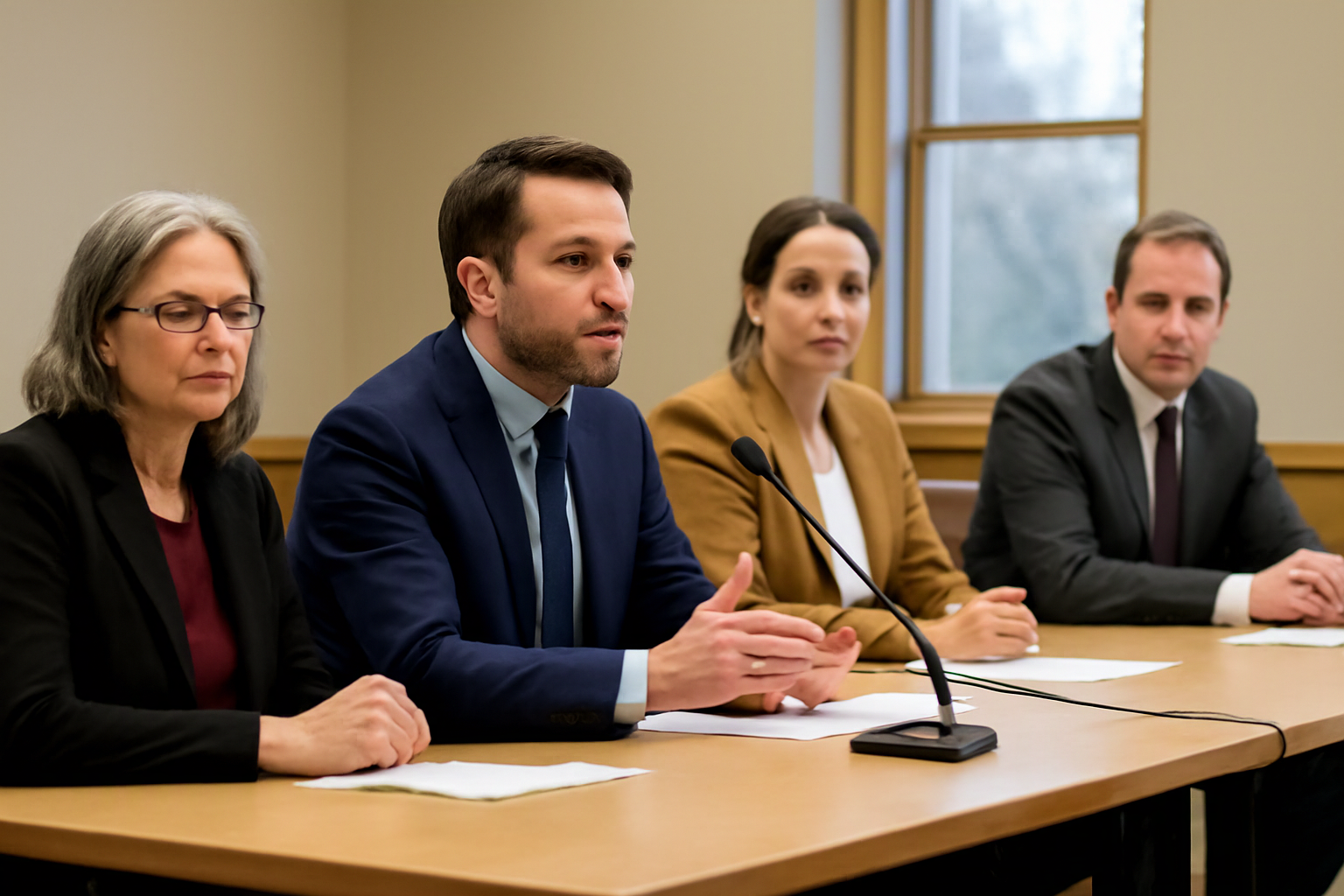
Local officials have recognized the importance of this initiative. In a recent meeting, Brookfield Mayor Steve Ponto expressed his support for the study group's goals. "Access to clean drinking water is a fundamental right and a cornerstone of our community's health and well-being," he stated. The group is composed of experts from various fields, including environmental science, public health, and local government, who are committed to finding practical solutions.
One of the key areas of focus for the study group is the impact of groundwater contamination on public health. Recent studies have shown that pollutants from agricultural runoff and industrial activities pose serious risks to the quality of drinking water. The group is tasked with identifying these risks and proposing actionable strategies to mitigate them.
The formation of the Drinking Water and Groundwater Study Group has been met with enthusiasm and support from the Brookfield community. Residents are eager to engage in conversations about water quality and are keen to learn more about the steps being taken to protect their drinking water. Local advocacy groups, such as the Clean Water Action, have voiced their approval of the initiative, emphasizing the need for transparency and community involvement in the process.
Community member Lisa Johnson, a mother of three, shared her thoughts on the study group. "As a parent, I worry about the safety of the water my children drink. Knowing that our city is taking this issue seriously gives me peace of mind. I want to ensure that Brookfield remains a safe place for my family to grow up in." Her sentiments echo those of many residents who are invested in the future of their community.
Furthermore, local businesses have also expressed their support for the initiative. Tom's Market, a popular grocery store in Brookfield, has pledged to collaborate with the study group by providing data on water usage and waste management practices. Owner Tom Miller noted, "We all have a role to play in protecting our water resources. I believe that by working together, we can make a significant impact on our community's health and environment."
The study group is currently in the process of gathering data and conducting assessments of the local water supply. They plan to hold public forums to educate residents about the findings and to solicit feedback on proposed measures. These forums will serve as a platform for community members to voice their concerns and suggestions, ensuring that the study group's recommendations reflect the needs and values of Brookfield residents.
As the group moves forward, they will also collaborate with state agencies, such as the Wisconsin Department of Natural Resources, to align their efforts with broader state initiatives aimed at protecting water resources. This collaboration is crucial for ensuring that the recommendations made by the study group are not only effective but also sustainable over the long term.
The significance of clean drinking water cannot be overstated, especially in a community like Brookfield, where outdoor activities and family gatherings are integral to its culture. The local parks, lakes, and recreational areas serve as gathering spots for residents, and the quality of water in these spaces directly impacts community health. Polluted water sources may lead to increased health issues, including gastrointestinal illnesses and long-term chronic conditions. As such, the study group's work is not just a bureaucratic task; it is a matter of public health and community vitality.
For residents seeking more information on water quality and safety, the city of Brookfield provides resources through its official website. Here, residents can find updates on the study group's progress, access educational materials, and learn about local water testing programs. Additionally, the State of Wisconsin offers resources on groundwater protection and management, which can be invaluable for those interested in understanding the broader context of water issues in the state.
Community involvement is essential to the success of the Drinking Water and Groundwater Study Group. Residents are encouraged to participate in upcoming public forums and to stay informed about the group's activities. By fostering a culture of engagement and collaboration, Brookfield can ensure that its water resources are protected for generations to come.
The Drinking Water and Groundwater Study Group represents a proactive approach to safeguarding the health and well-being of Brookfield residents. As the community comes together to address the challenges posed by water quality issues, it is clear that a united effort can lead to meaningful change. By prioritizing clean drinking water, Brookfield is not only investing in its present but also securing a brighter future for its families.
As discussions continue and data is gathered, the community can look forward to a series of actionable recommendations that will enhance water safety and sustainability. The commitment of local leaders, residents, and businesses to this cause reflects the strong values that underpin Brookfield—a community dedicated to nurturing its families and preserving its natural resources.
While the formation of the Drinking Water and Groundwater Study Group is a significant step forward, it is essential to recognize that the journey toward ensuring clean drinking water is fraught with challenges. One pressing concern is the potential impact of climate change on local water supplies. Increased rainfall and flooding can lead to runoff that carries pollutants into groundwater, while periods of drought can stress existing water resources. The study group will need to consider these factors as they develop their recommendations.
Additionally, the group faces the challenge of balancing economic development with environmental sustainability. Brookfield is experiencing growth, and with that comes the potential for increased industrial activity, which could threaten water quality. Engaging with local businesses to promote sustainable practices will be vital in navigating these challenges.
As the study group continues its work, it will also have the opportunity to educate the community about the importance of water conservation. Simple practices, such as reducing water usage during peak times and implementing rainwater harvesting, can make a significant difference in preserving local water resources.
By Katherine Langford

By Katherine Langford

By Katherine Langford
By Katherine Langford